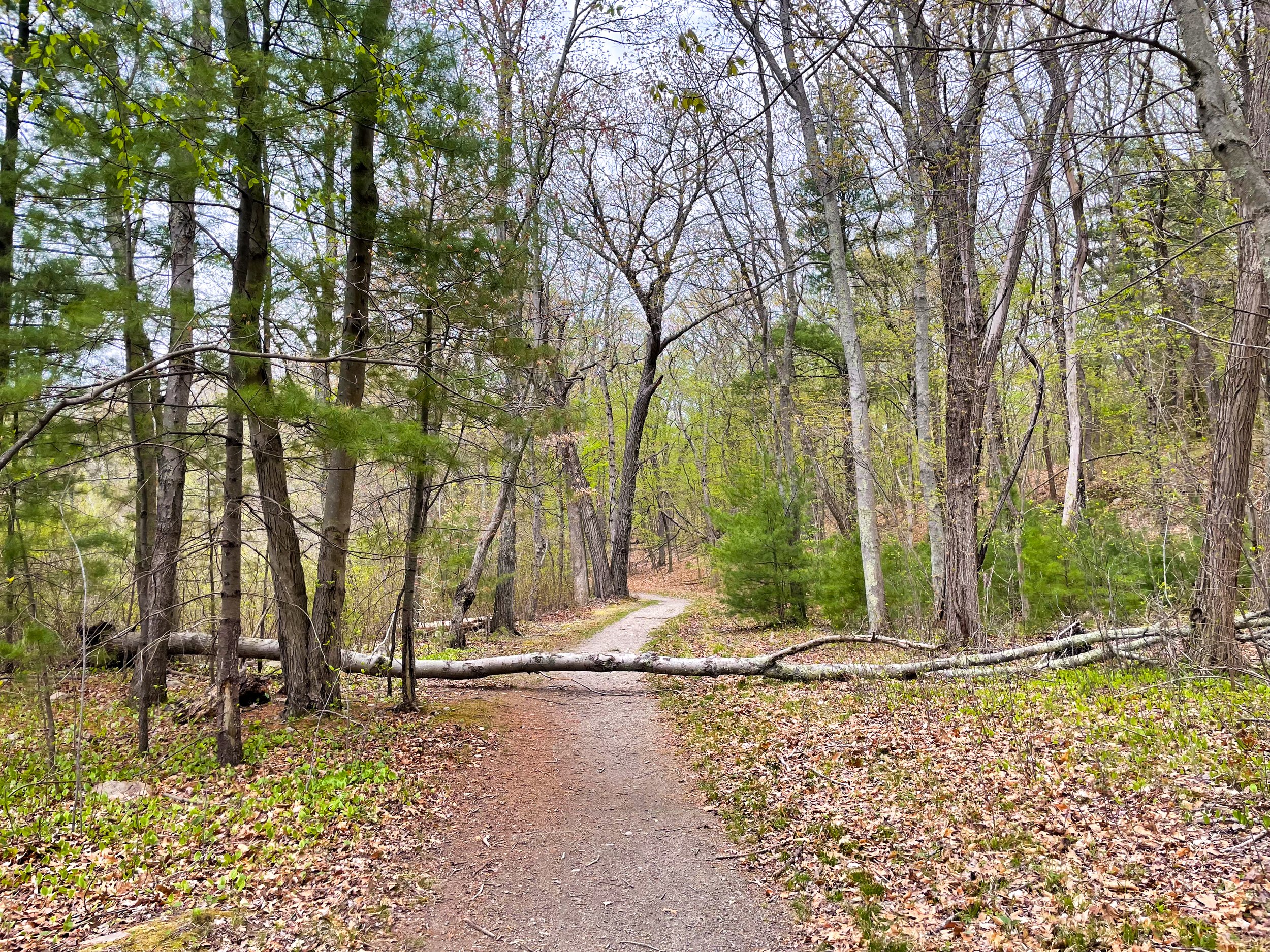
A Spring Hike through Stony Brook Reservation
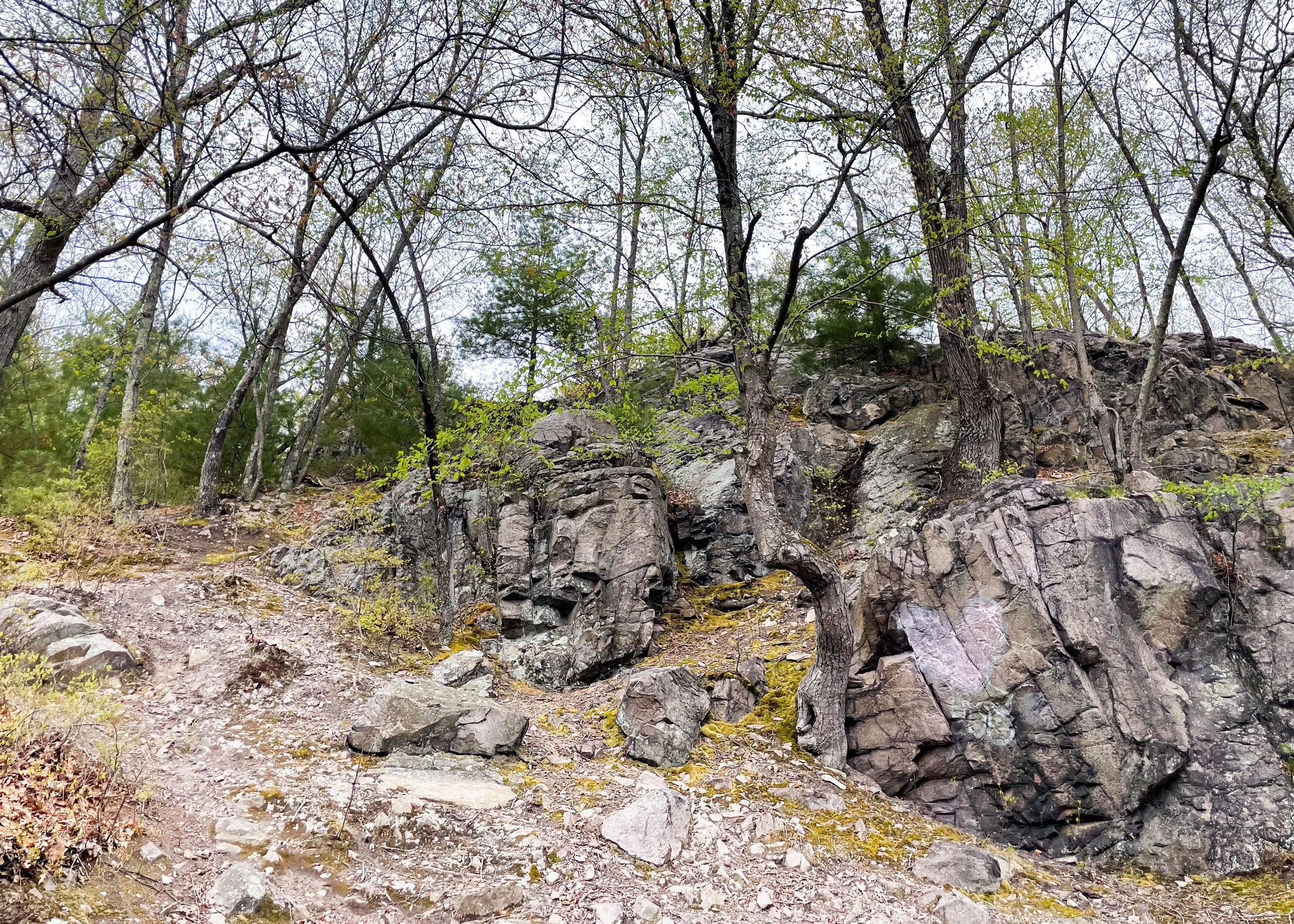
Native trees find their footing among New England’s prototypical rocky slopes.
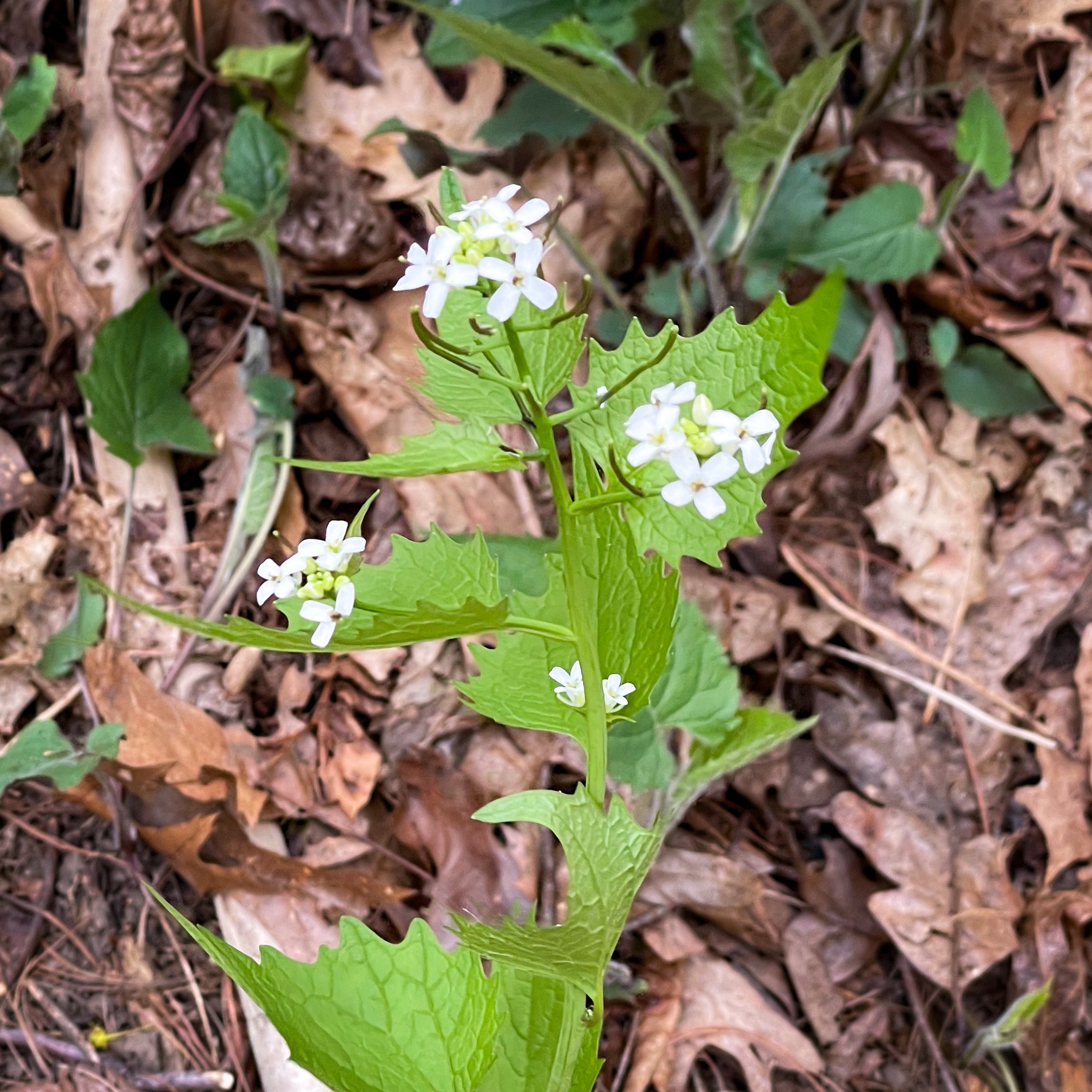
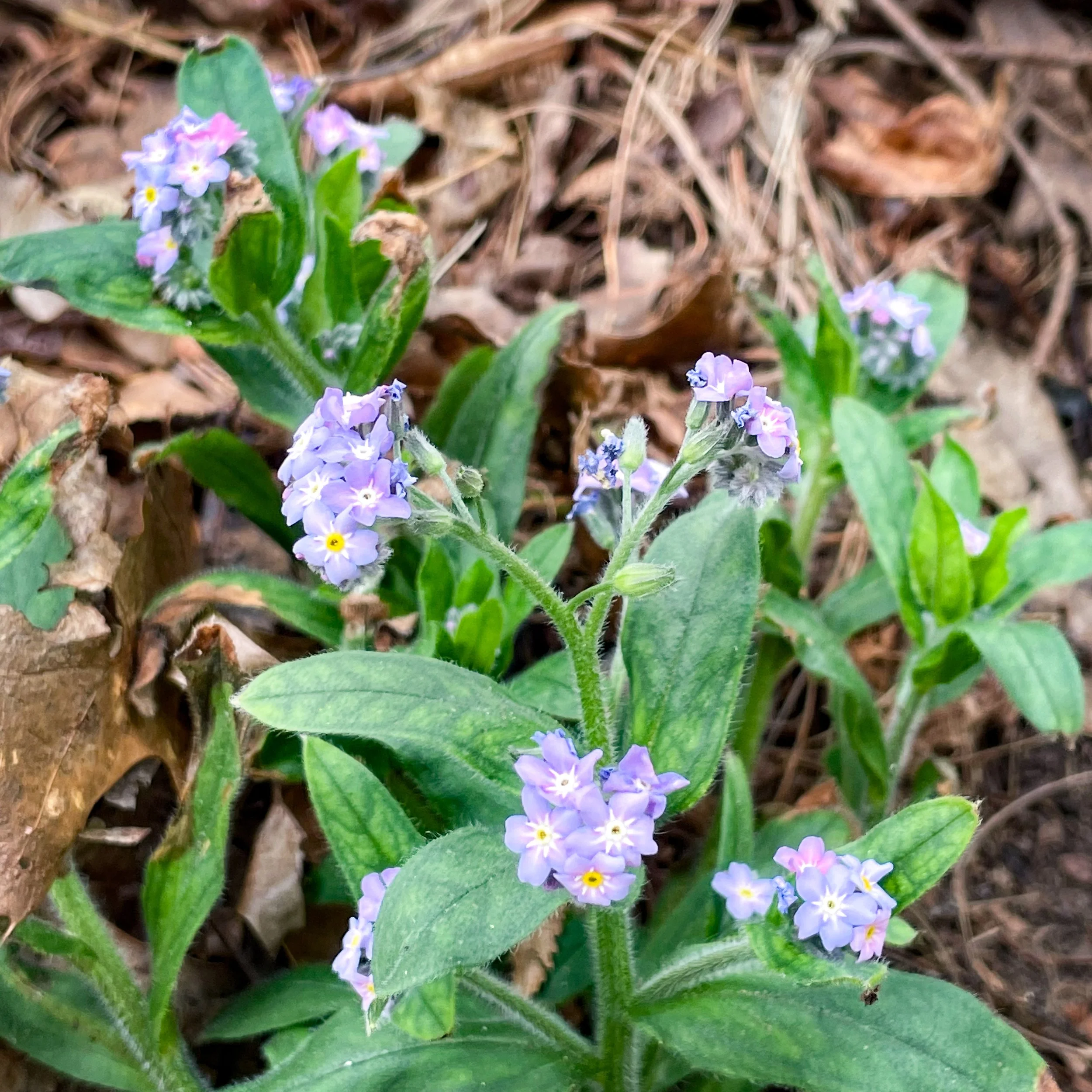
The first thing you notice about Stony Brook is what shouldn’t be there: highly invasive Japanese knotweed consuming the roadside between Enneking Highway and the park, bordering the parking lot are garlic mustard and forget-me-nots—distractingly pretty yet ecologically useless, a water bottle here, a candy wrapper there, the usual suspects. But if you walk into the forest just to the point where birdsong is louder than the traffic, the scenery shifts.
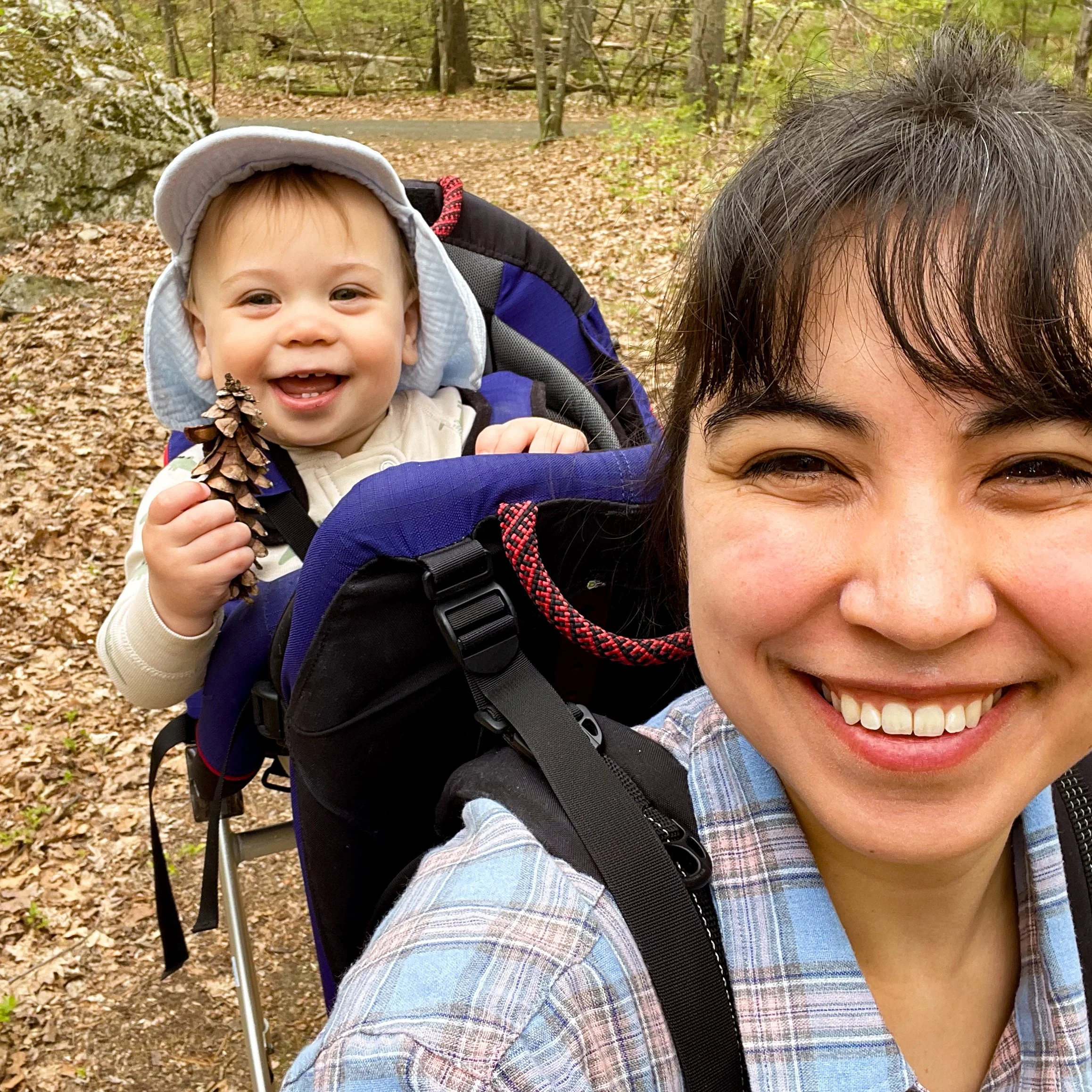
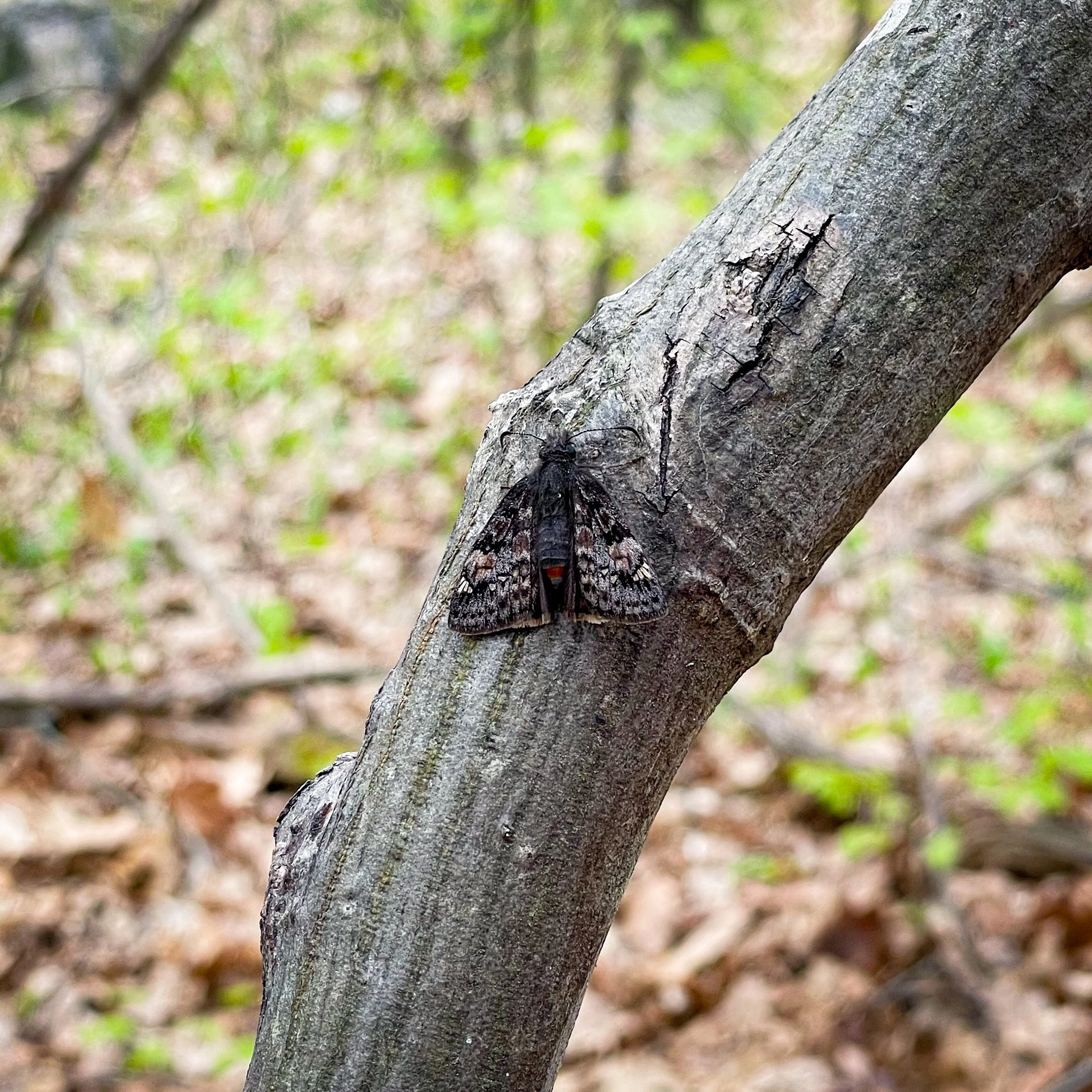
Today with my 9-month-old perched on my back and my dog at my side, I trek through these woods to enjoy the first full week of consistently warm temperatures. We spot a fluttering Juvenal's Duskywing, a butterfly species deeply tied to healthy oak forests making its presence a sign of a functioning ecosystem.
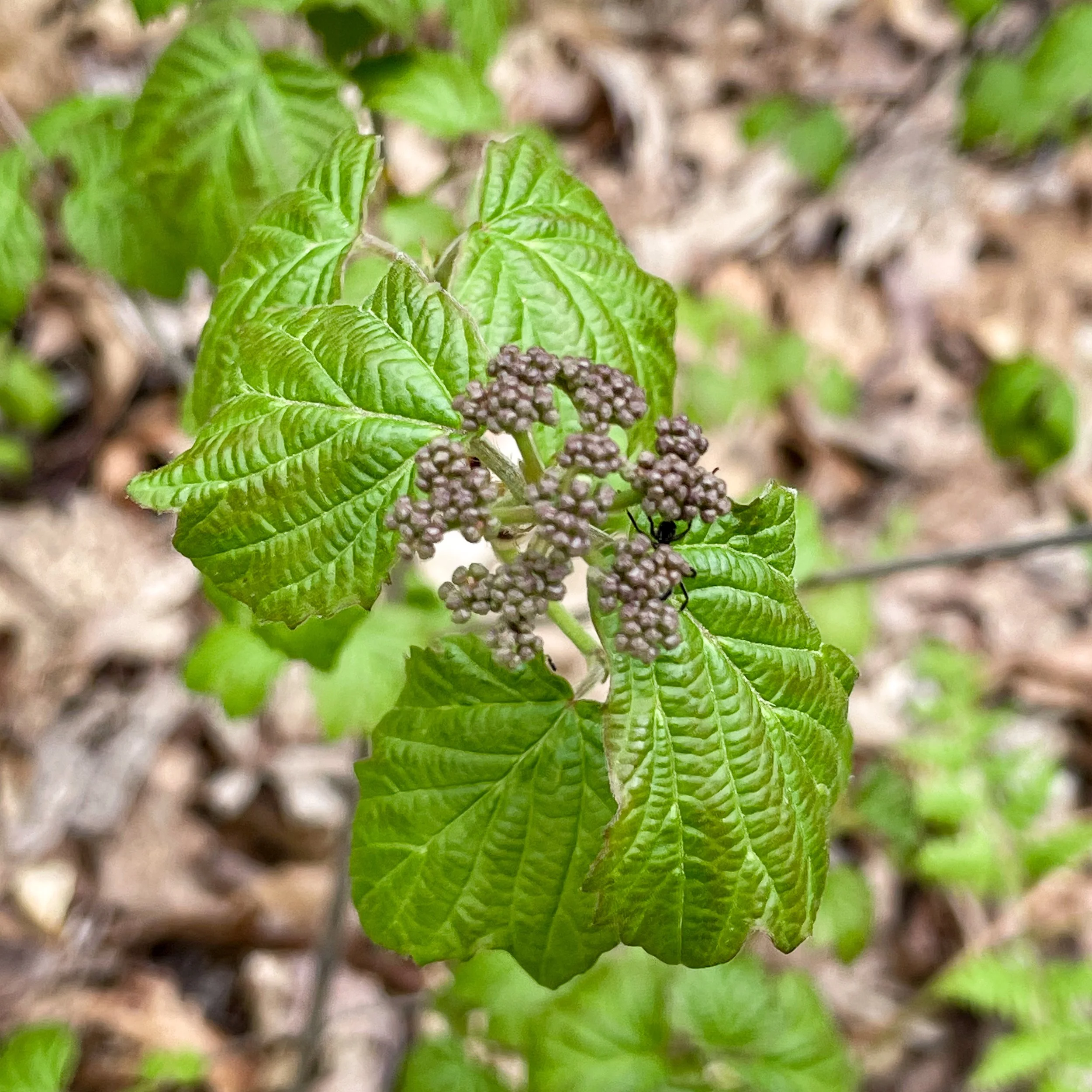
Next up, a small community of viburnums massing in the understory below white oak trees: some (like Arrowwood) just leafing out for the spring while others (like Mapleleaf) on the verge of revealing their voluminous white flowers.
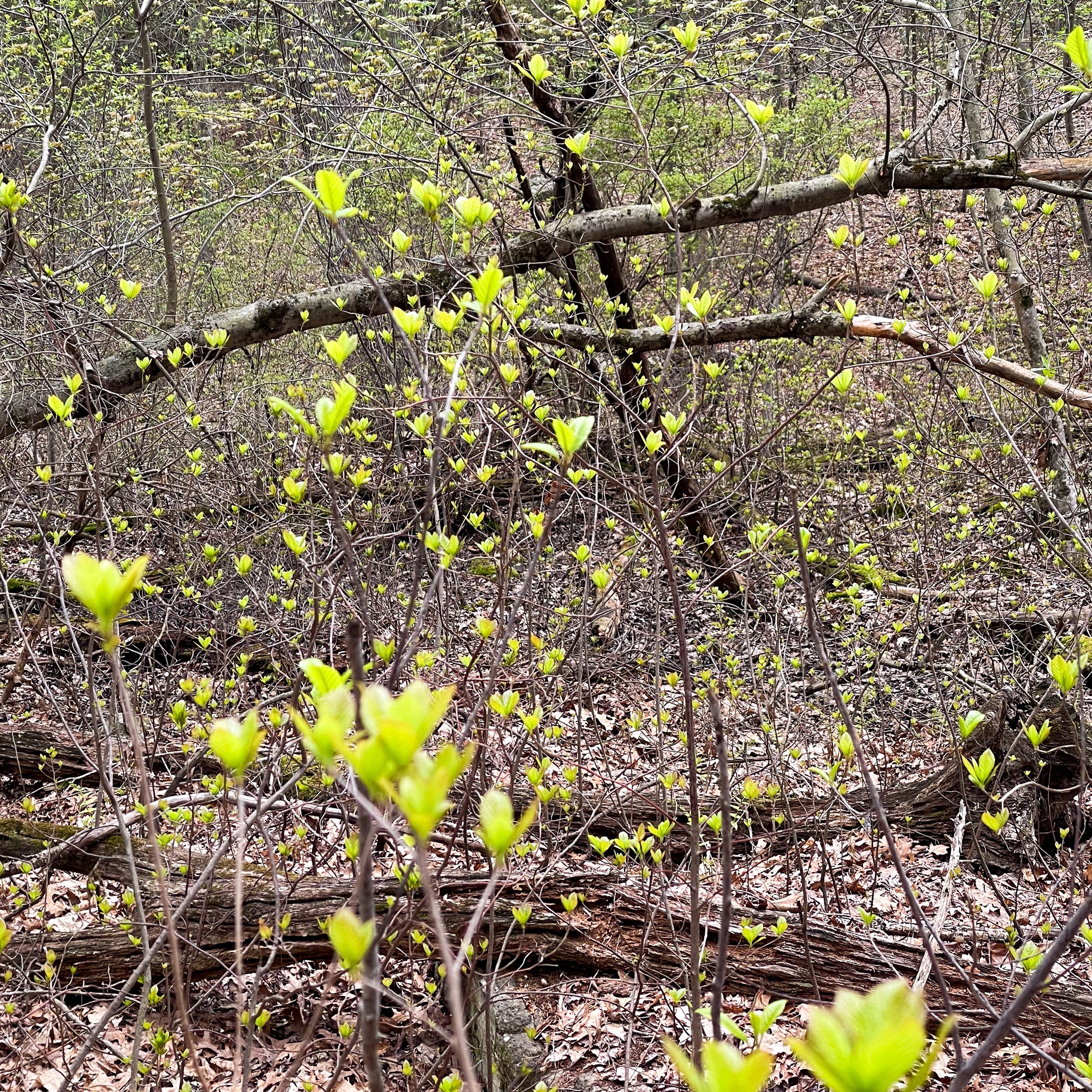
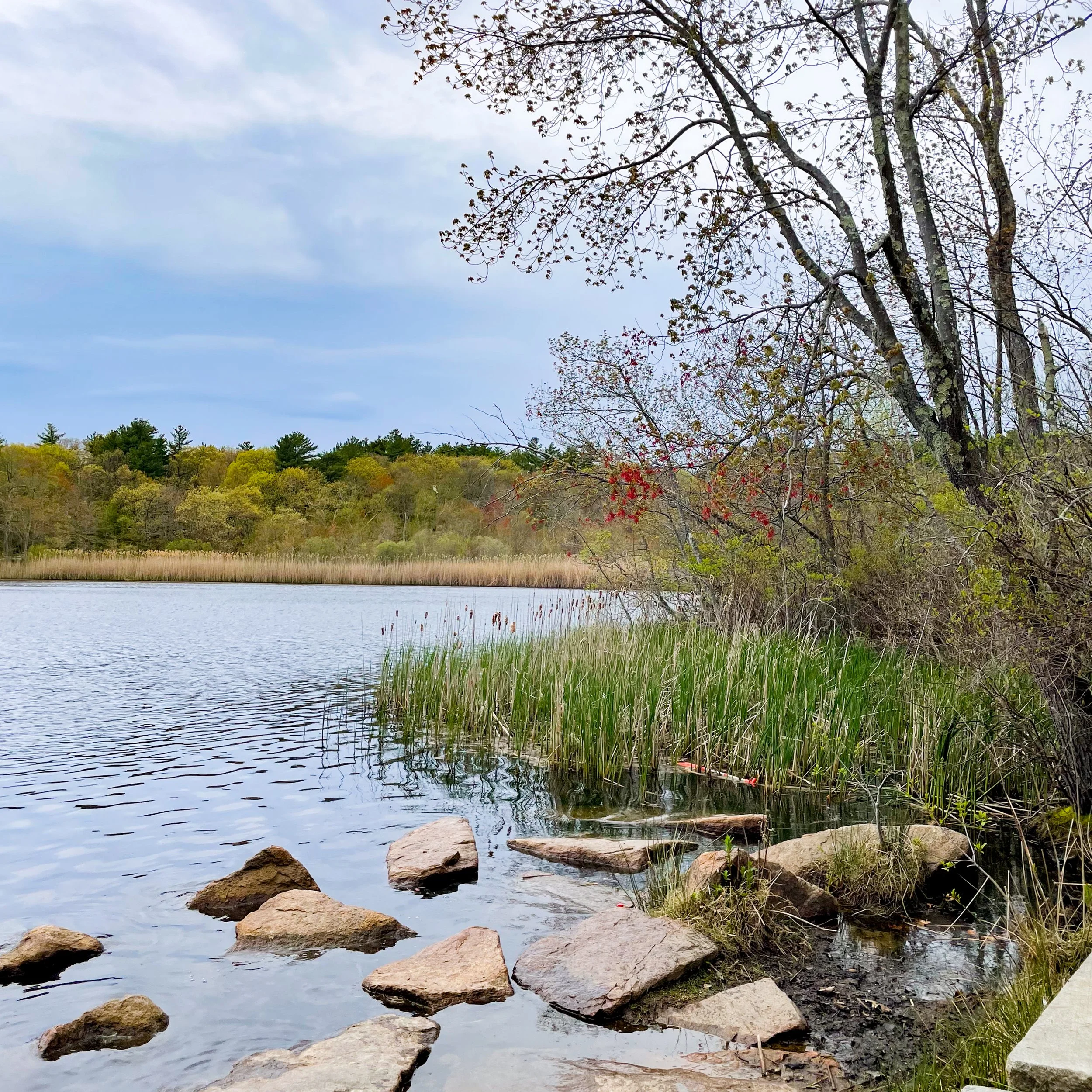
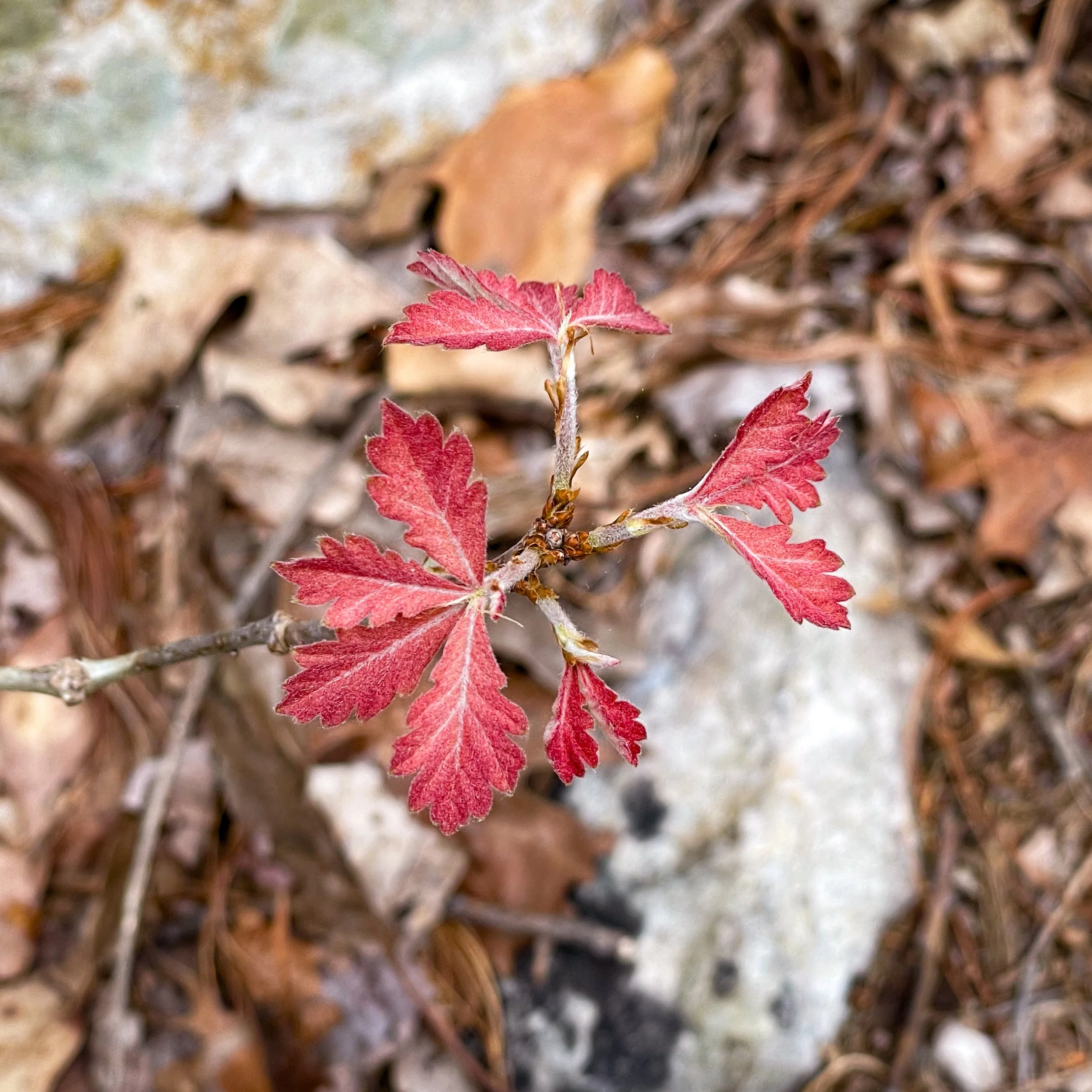
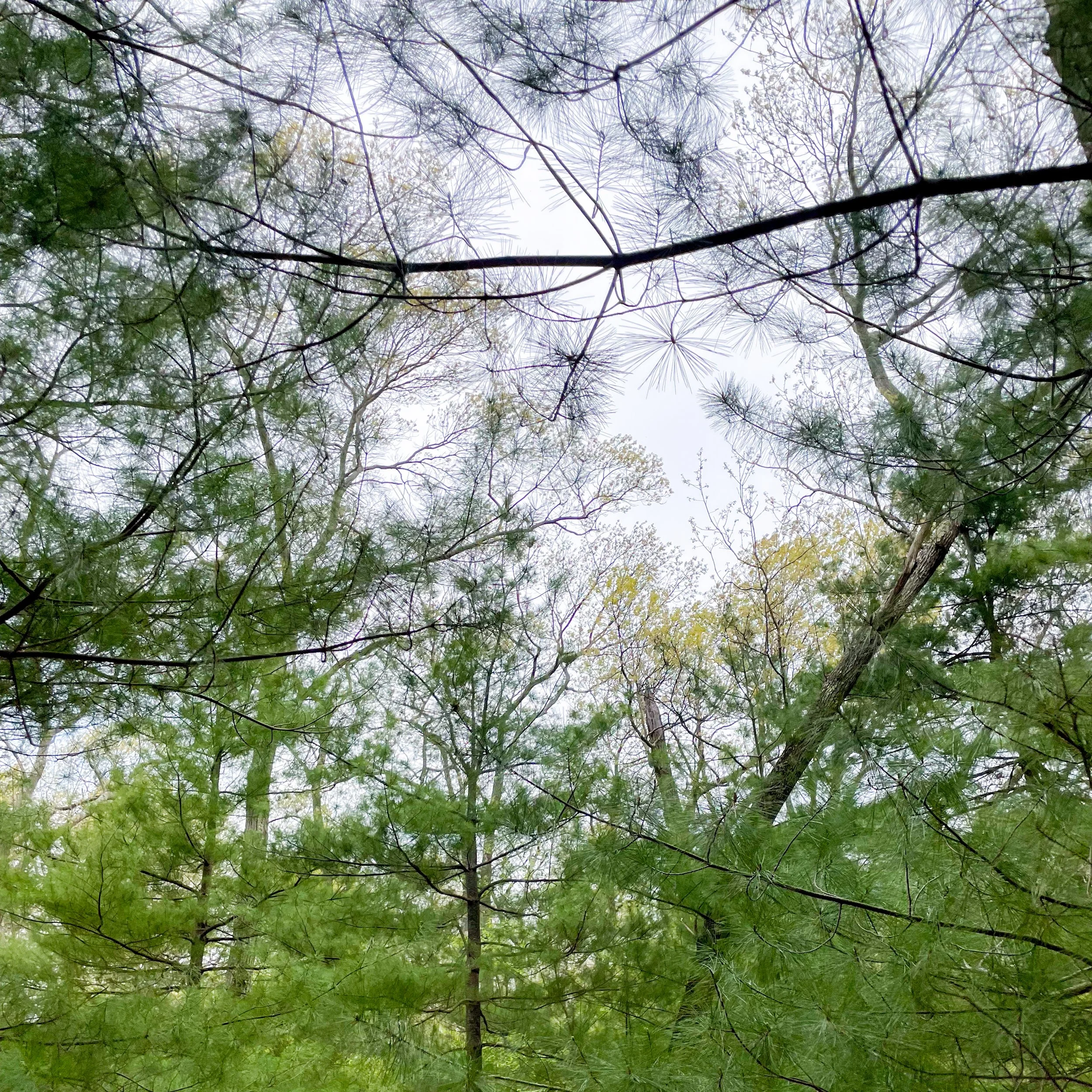
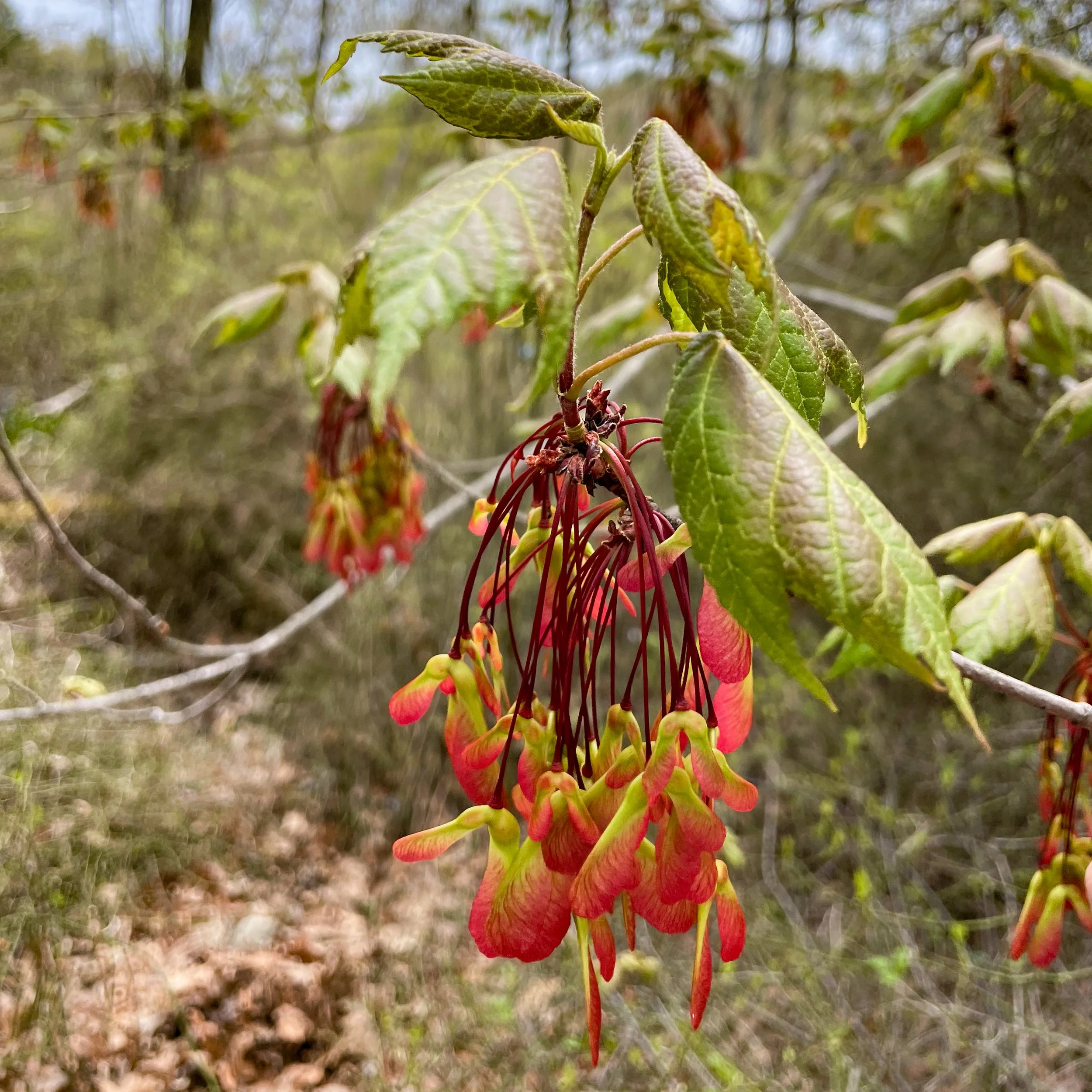
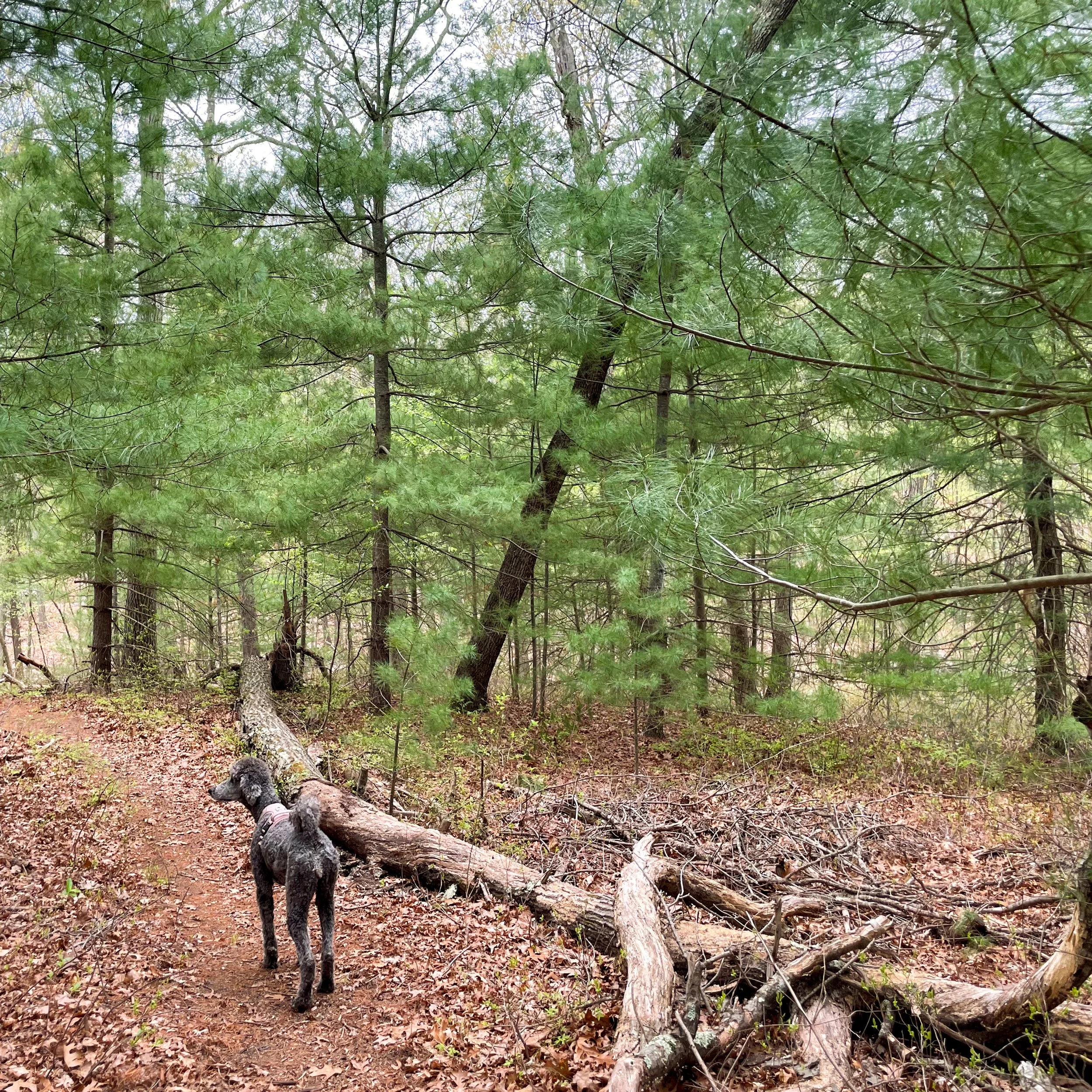
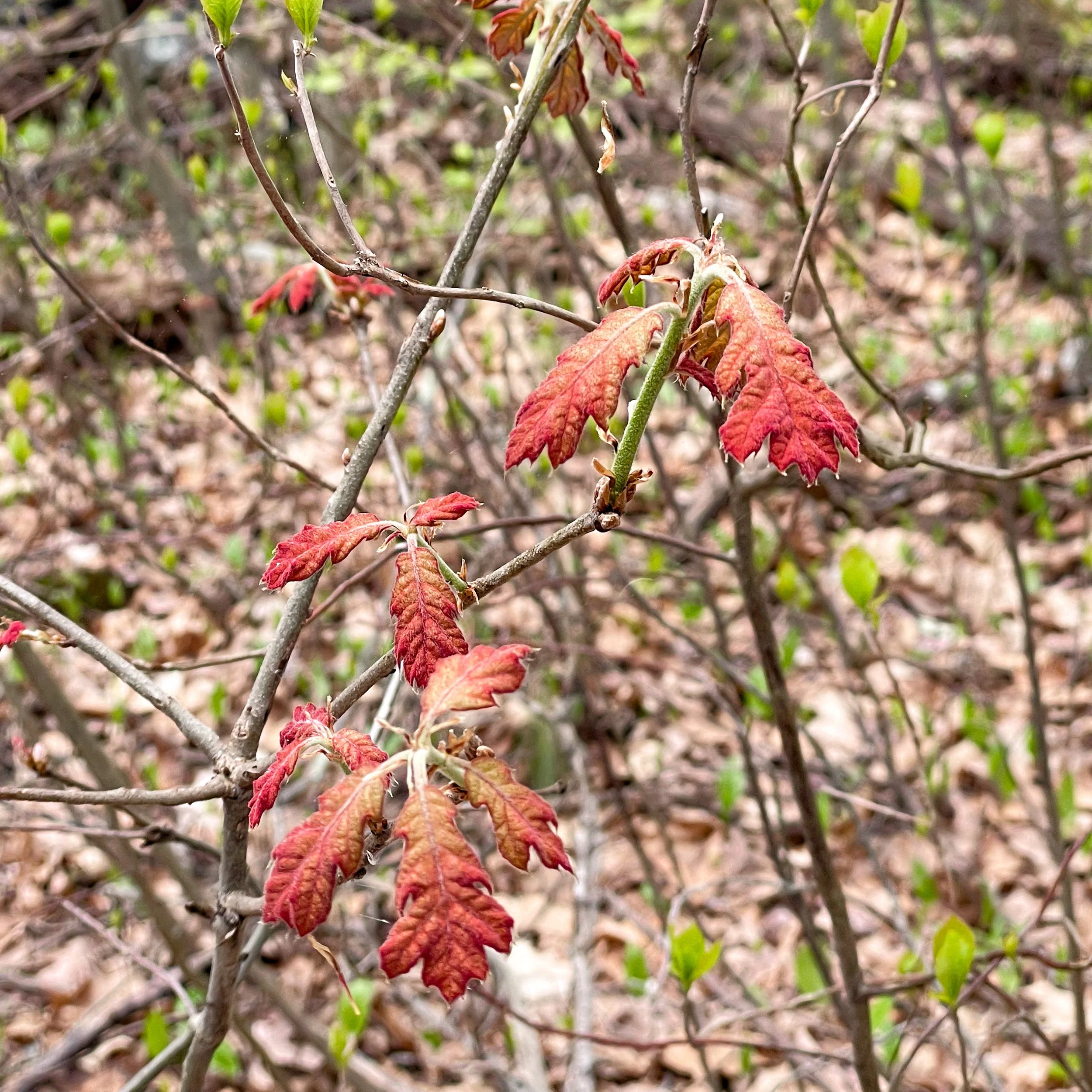
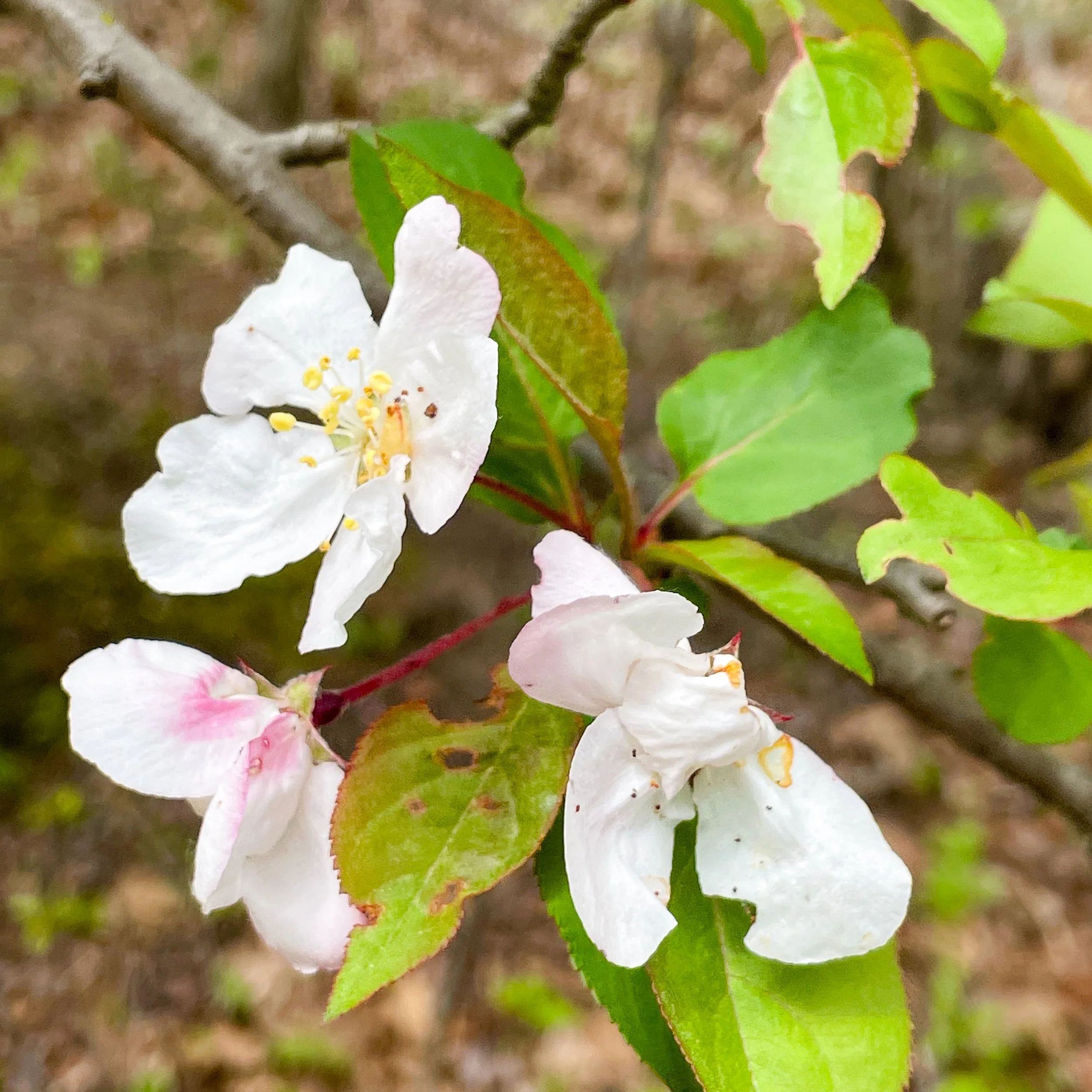
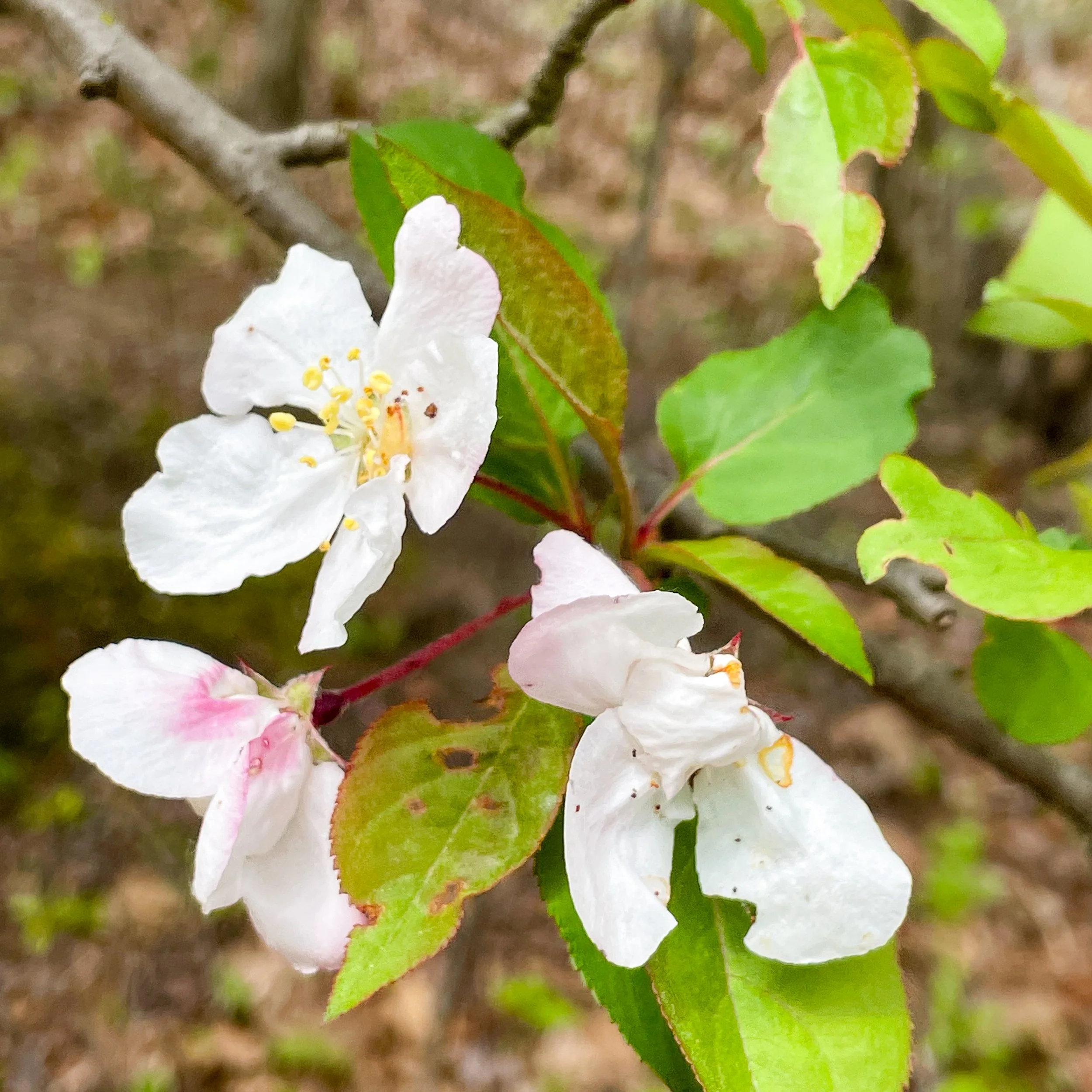
We see white oaks with their tiny fuzzy pink leaves just breaking out for the year, northern red and black oaks with their more pointy lobes, groves of eastern white pines in the higher elevations of the park, crabapples with white flowers at the tail end of their bloom, and red maples on the waterlogged edge of Turtle Pond with their iconic early season green-to-red helicopter seeds.
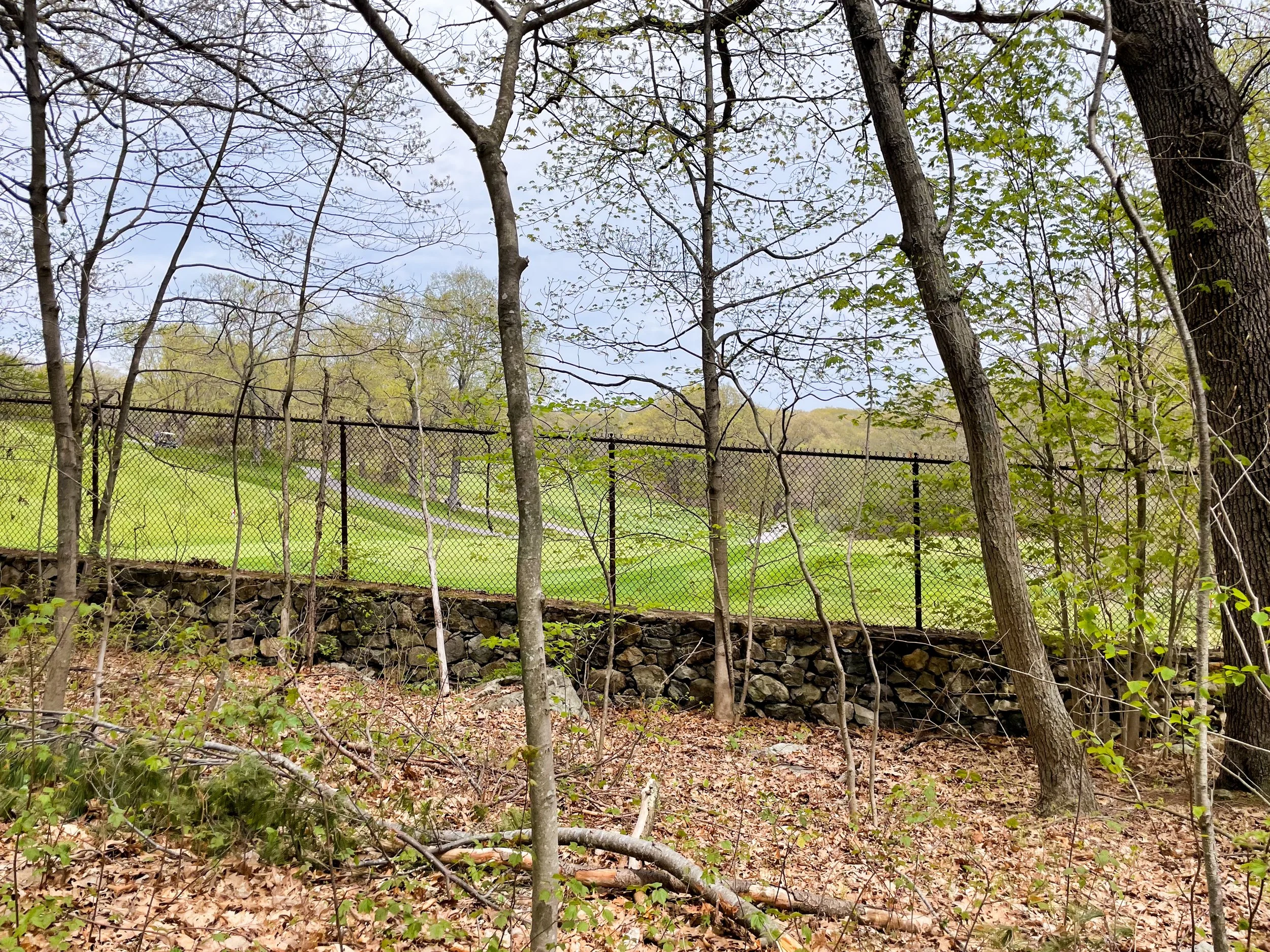
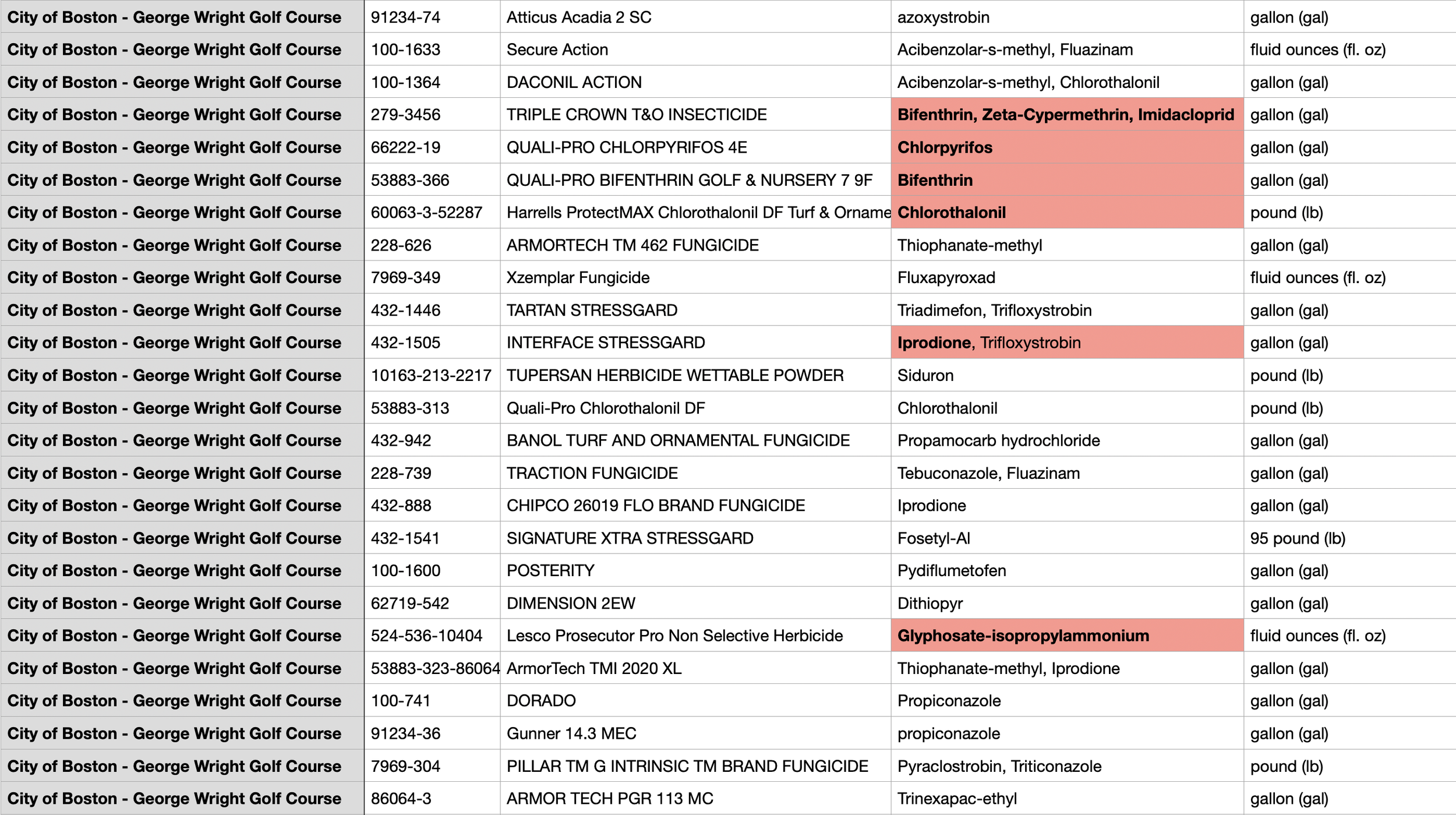
Upon reaching the eastern border of the preserve, we are faced with a different non-native threat: the George Wright Golf Course. Though a lovely spot for recreation, these lawns are kept this way through heavy use of herbicides, pesticides, and fungicides. Massachusetts pesticide records show the volume used in 2022 alone. These poisons drift through the air to surrounding areas and pollute groundwater, causing more damage to human health than it’s worth. My family lives within a mile of this course; most of the people who use this park do too. Stony Brook functions, among other things, as a buffer—a thin strip of ecological complexity between the neighborhood and the spray. Yet in shielding us from our man-made poisons, these pesticide drifts and the polluted groundwater have an unknown effect on the organisms therein.
These small protected areas sprinkled throughout our dense urban communities aren’t just nice places to visit. They are essential to the ever-threatened functioning of our entire food web, so the interactions here matter, even when they look messy.
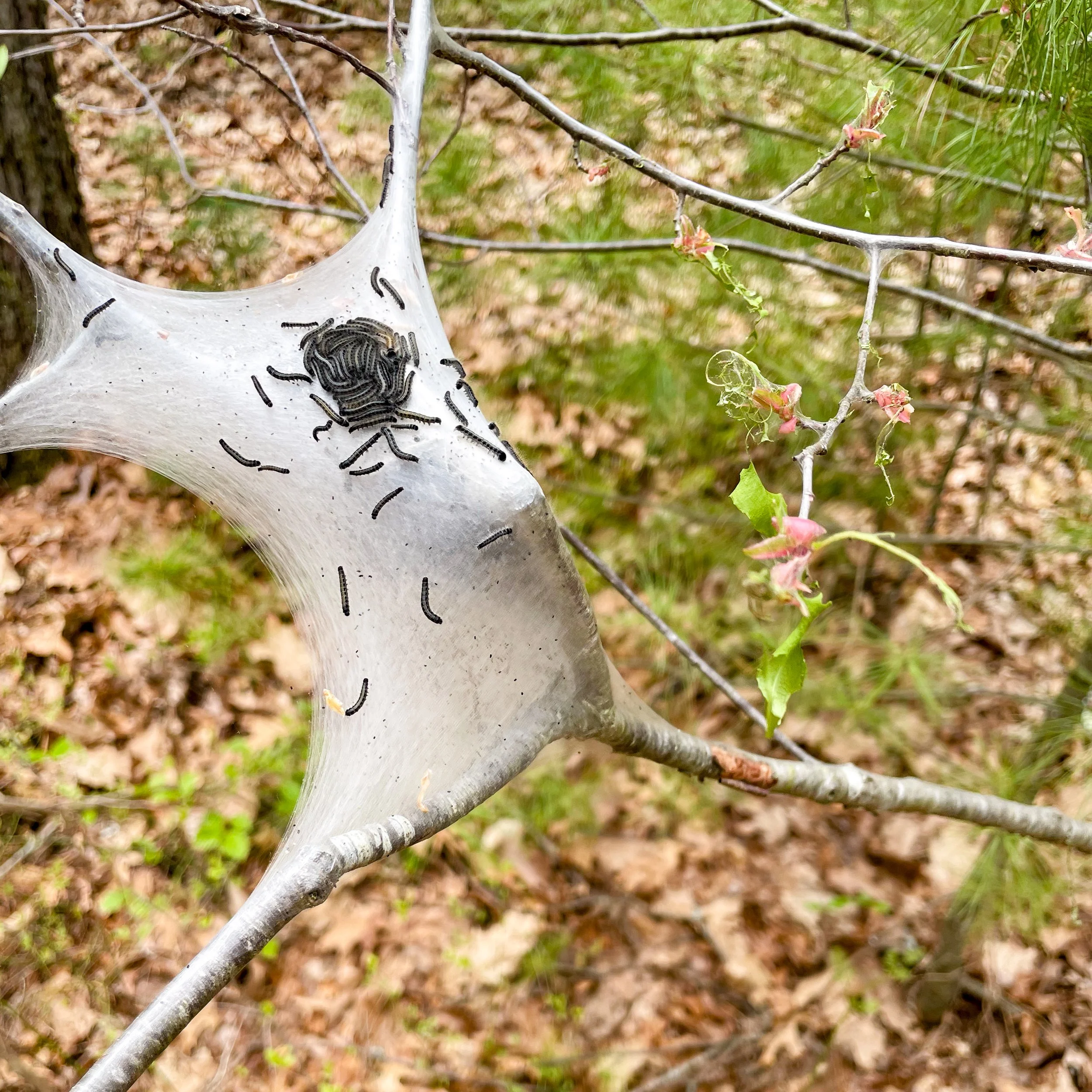
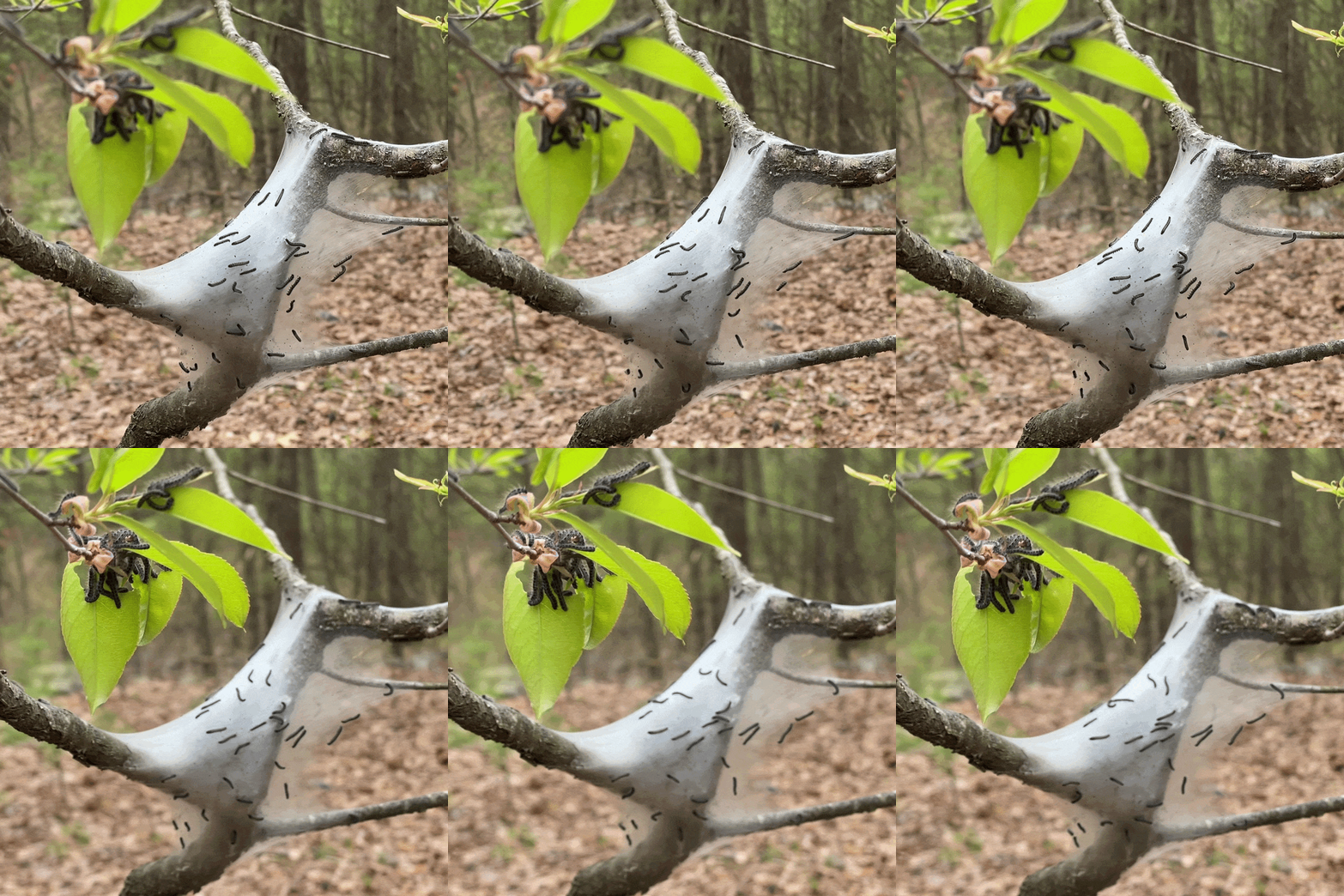
Trees like Stony Brook’s crabapples provide a home and a source of food for colonies of eastern tent caterpillars whose high-protein bodies feed birds like cuckoos and orioles, mammals, and predatory insects. I see a handful of these active nests on the few crabapple trees in the understory. Though these hungry crews are in the process of defoliating their hosts, the healthy trees will recover over the coming weeks.
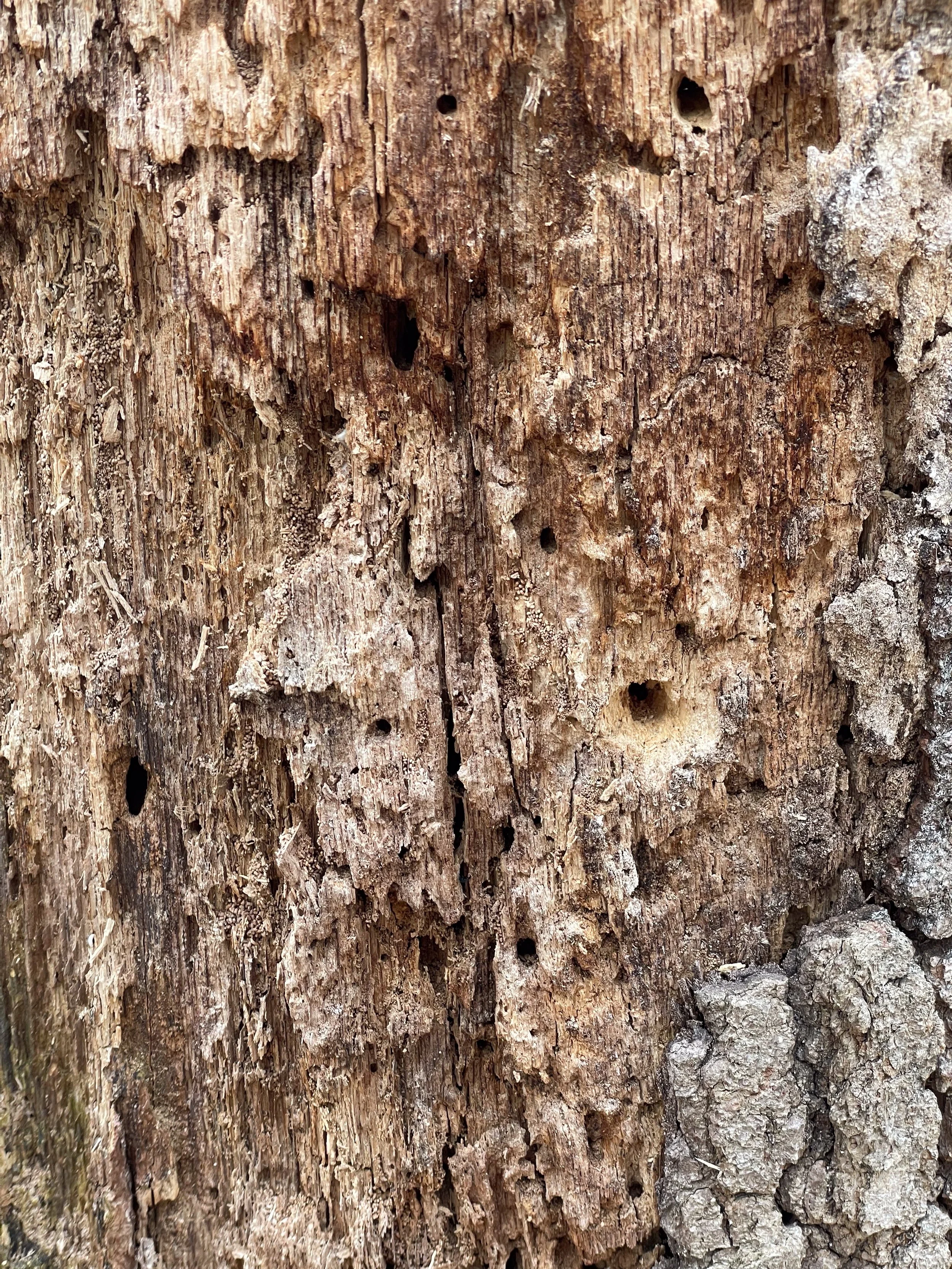
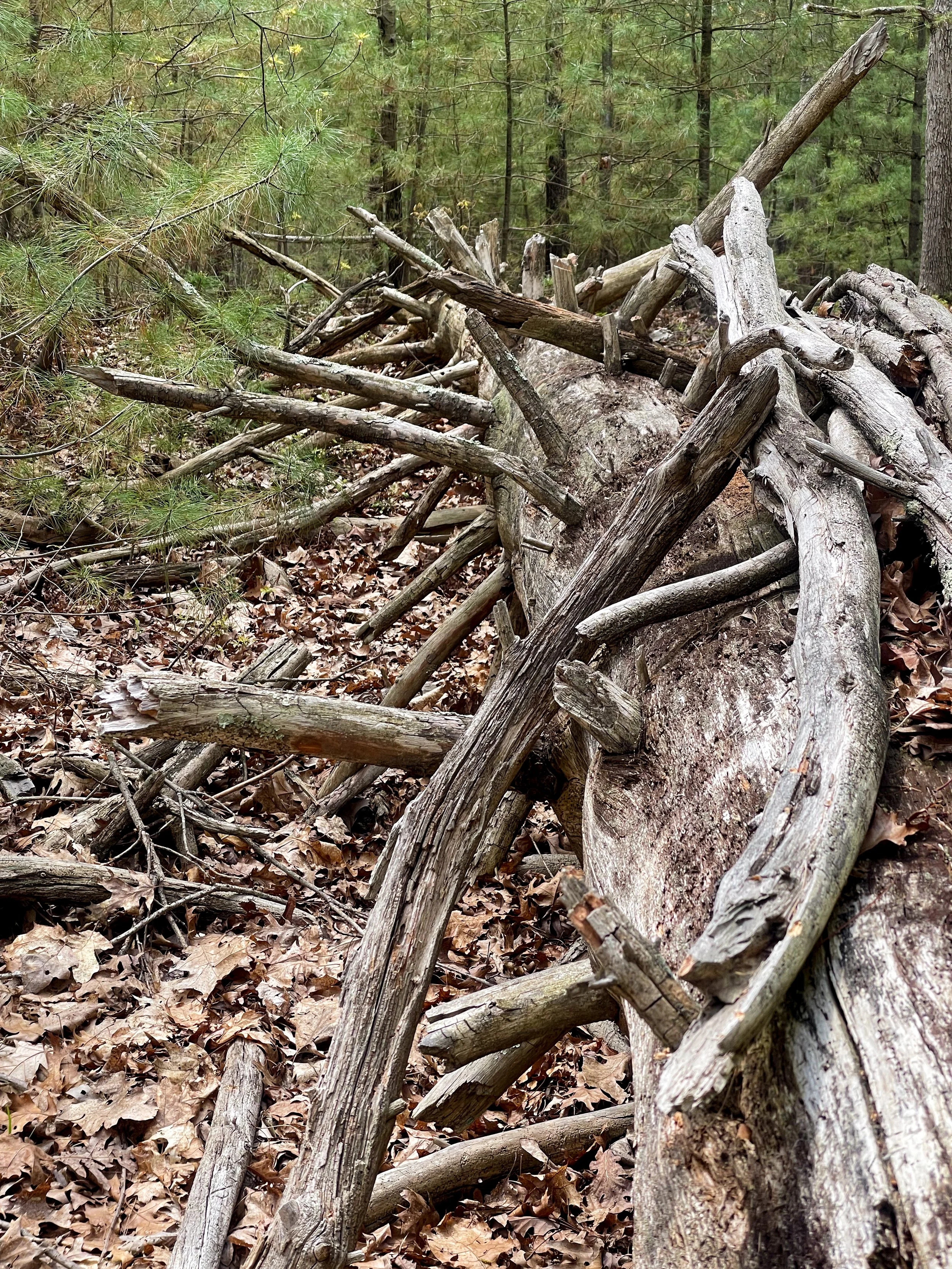
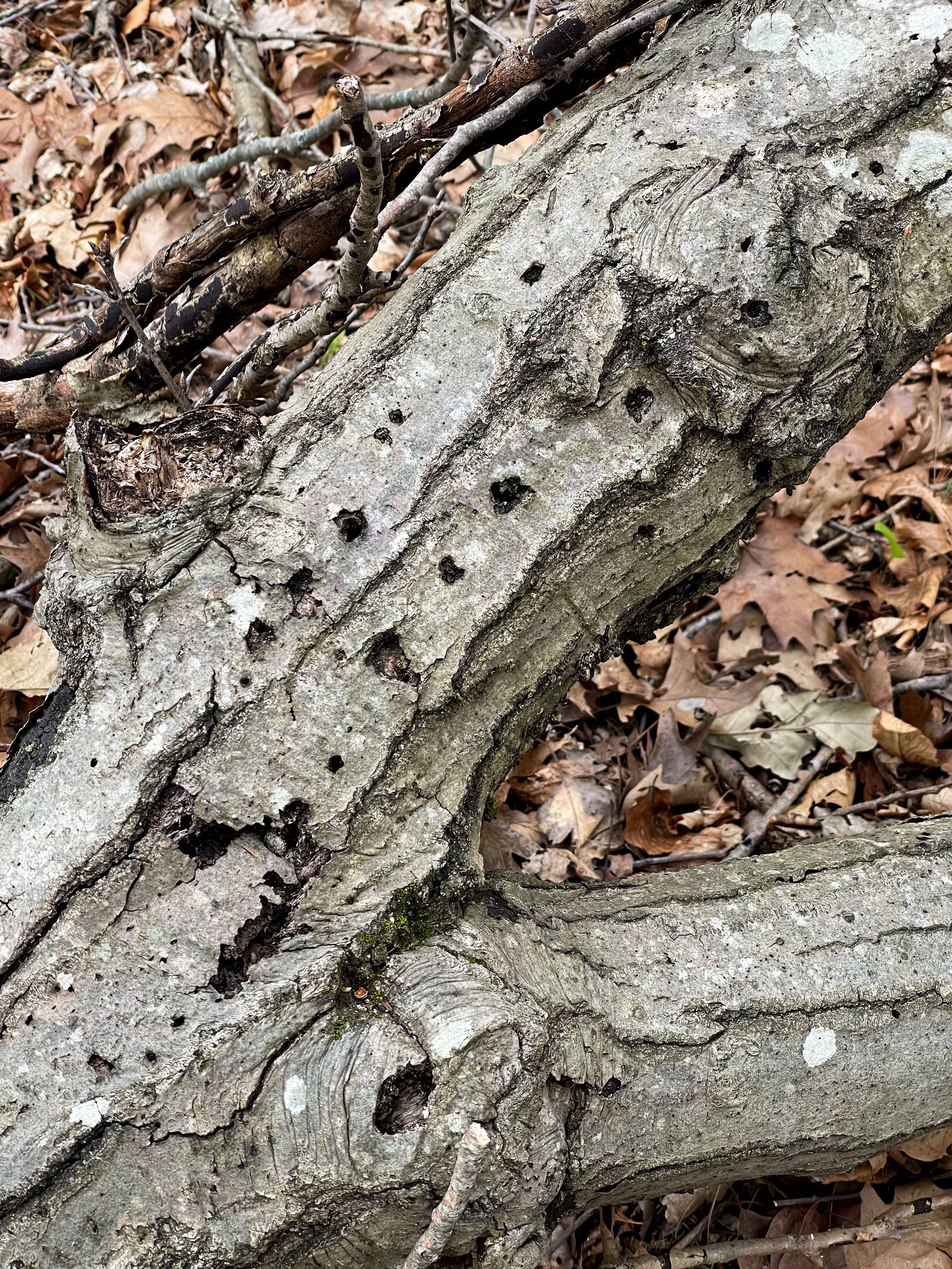
A tree's value doesn't end when it dies. A hollow tree is a place for a screech owl to nest or for chipmunks to store food. Insect larvae sleep in the crevices and woodpeckers drill their way in to find them. Countless wildlife rely on both fallen trees and standing deadwood to survive.
Ecologically healthy environments are complex systems that rely on what to us looks chaotic. Half-eaten flowers, fallen trees, and groups of creepy crawlers are all signs of a working system. The golf course may look pristine, but it is essentially an ecological dead zone.
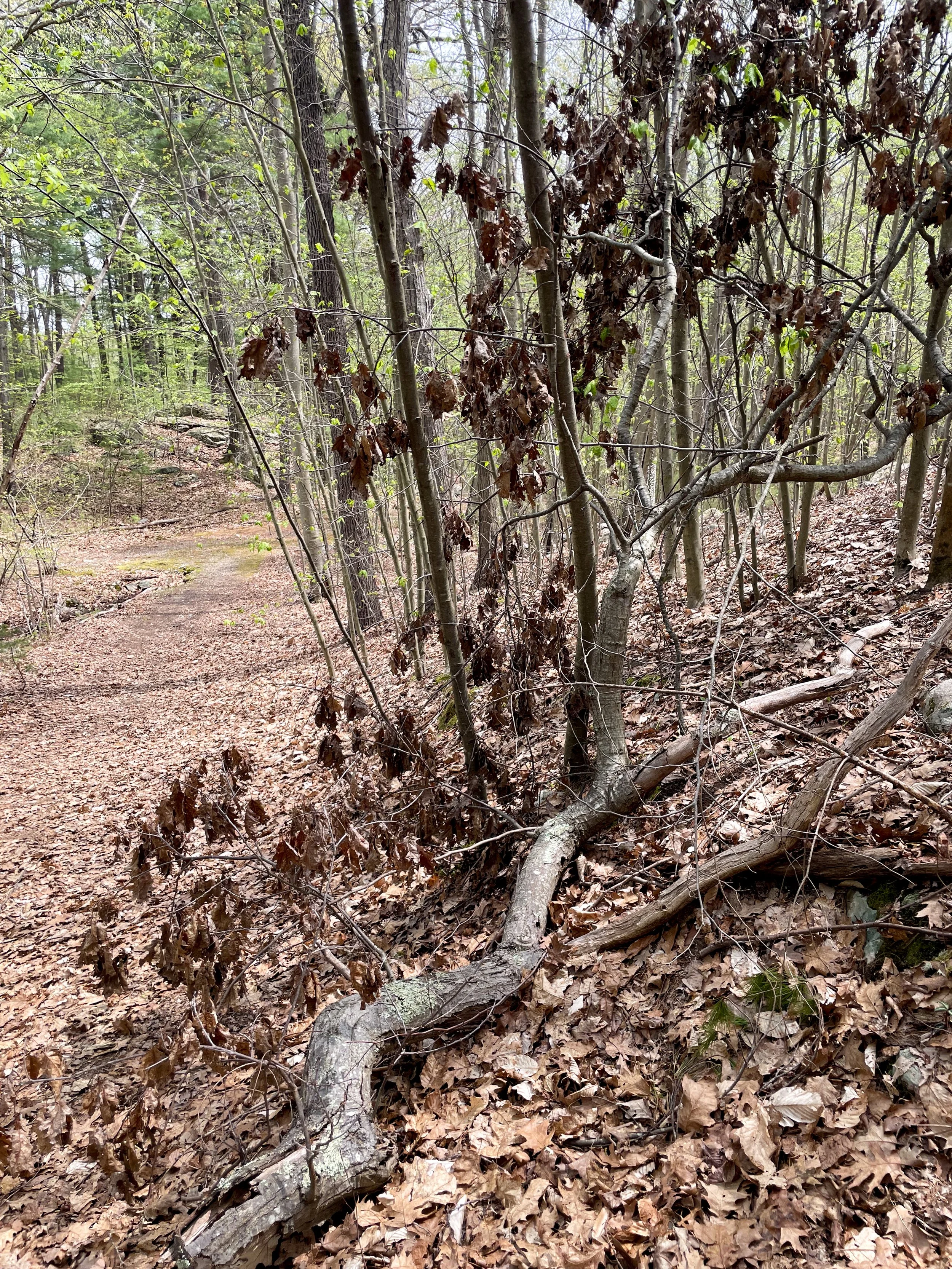
Though Stony Brook has been under state protection since 1894 it is not wild; there are paved paths, and the invasives at the edges aren't going anywhere without active management. But what is here is worth preserving, and I carry my son through these woods to enjoy this peek into a world where “pests” are a crucial food source and “weeds” are beautiful. Whether he'll have easy access to places like this when he's old enough to bring his own little ones depends on decisions being made right now, by municipalities, by golf courses, by anyone with a patch of land and a choice about what to do with it.
Stop by Stony Brook if you can, and maybe you’ll catch my little caravan on our weekly visit.